Flour Mill Parts & Bulk Flour Handling Systems
A flour mill is two plants bolted together. The front half — roller mills, plansifters, purifiers, scourers — turns wheat into flour. The rear half turns that flour into something you can sell: blended to a stable specification, buffered, dosed at a controlled rate, and transferred to a tanker or a packing line without dust or contamination. WUXI HASEN supplies that rear-section equipment from Wuxi, China, for plants from 60 to 3,000 tonnes per day.
What the rear section of a flour mill does
Most mill projects are specified front to back. The cleaning house is planned in detail, the mill flow is balanced passage by passage, and the rear section is left as a single line on the layout drawing. In practice it is the rear section that decides whether the mill can hit a customer's flour specification, and whether it can load a tanker without a queue of trucks at the gate.
It begins where the milling flow ends, normally after the last plansifter and the filter that separates flour from the conveying air. From there the flour passes through four stages.
Blending combines the flour streams into one consistent specification. Buffering gives the mill somewhere to put flour between production and dispatch, so it does not stop when the packing line stops. Dosing and distribution sends the right quantity to the right destination.
Conveying connects all of it — in a modern mill, almost always pneumatically, because a sealed pipe run keeps the flour inside the system and does not spread dust through the building.
Blending and mixing: the same specification every batch
Flour leaving the milling section varies. Different wheat lots, different moisture and normal wear on the rolls all move the ash content, colour and protein of the finished stream. If a mill blends several wheat types, or supplies customers with different specifications, that variation has to be flattened before the flour leaves the site.
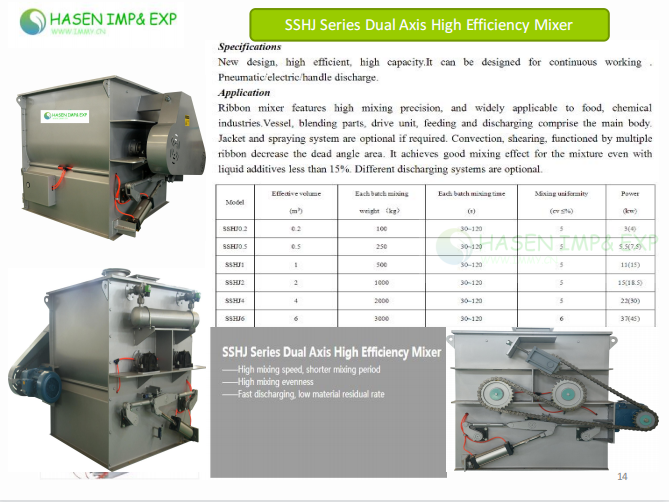
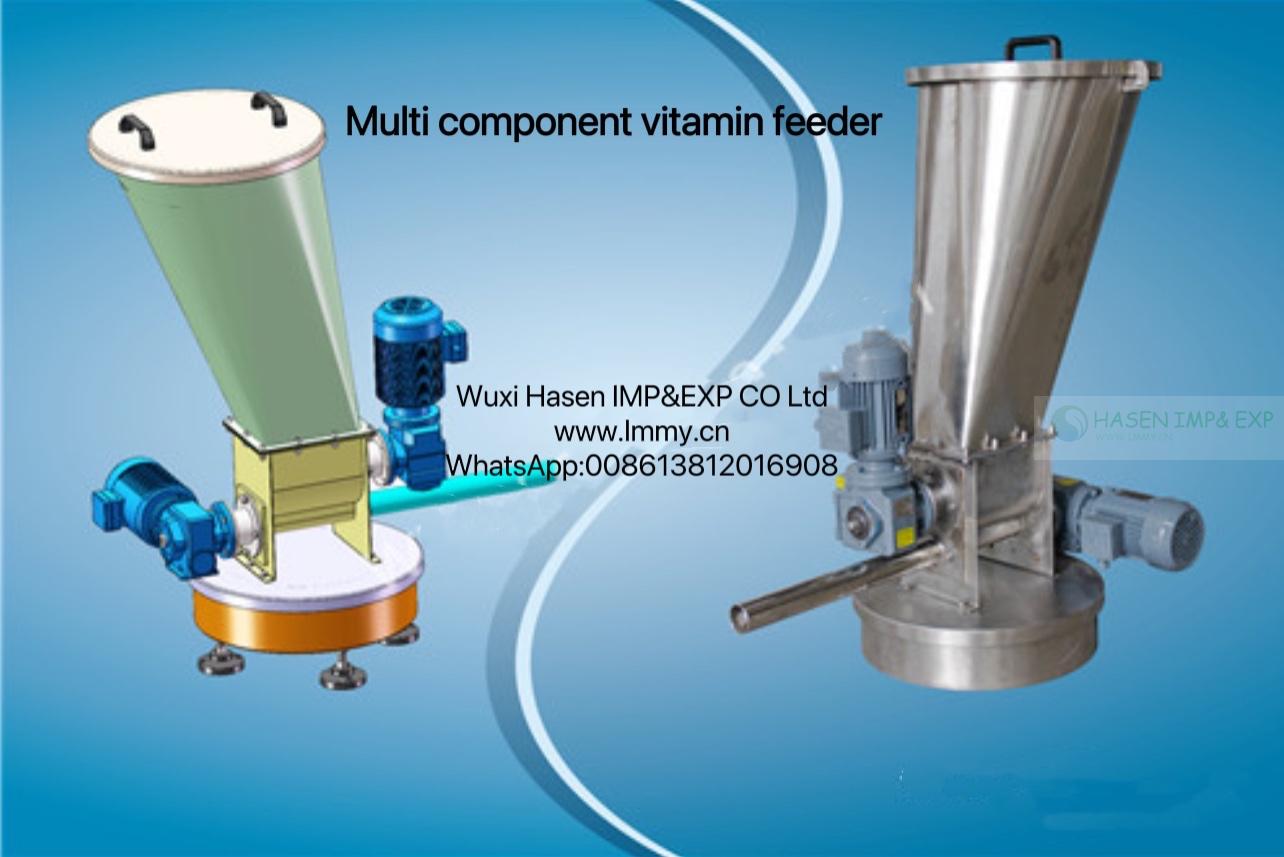
A double shaft mixer does that by combining two or more flour streams — or flour with additives such as improvers, enzymes, malt flour or vitamin premixes — into one homogeneous batch. The counter-rotating paddles give a short, intense cycle and a discharge that is close to completely uniform without shearing the flour or heating it. For lighter duties, such as homogenising a single stream or dispersing a small premix, a single shaft double convective paddle mixer is usually sufficient. Dampeners sit in the same family: over-dry flour dusts badly, and over-wet flour cakes in the bins and blocks the conveying line.
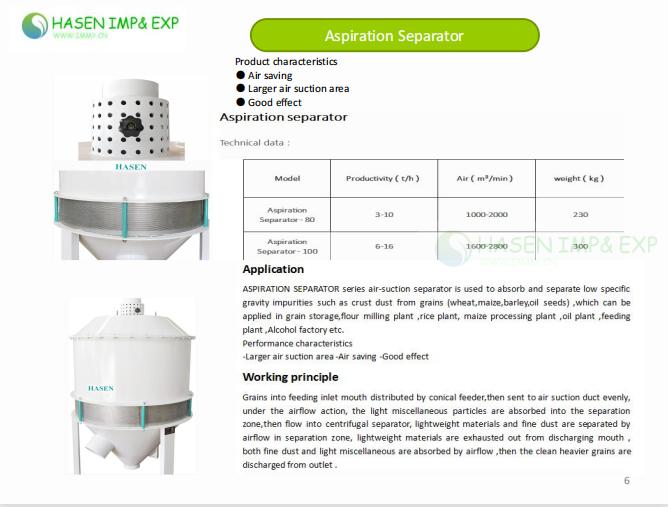
Bulk flour dosing, dispensing and distribution
Once the flour is blended it has to be measured out. This stage is the one most often under-specified, because the equipment looks simple on a drawing and the consequences only appear in production.
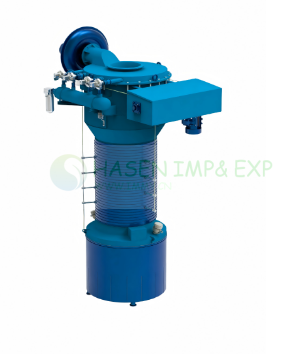
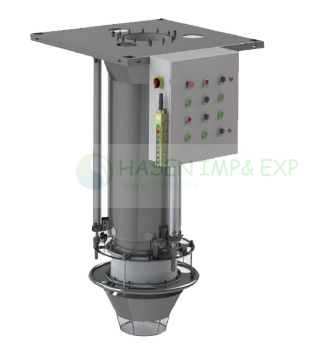
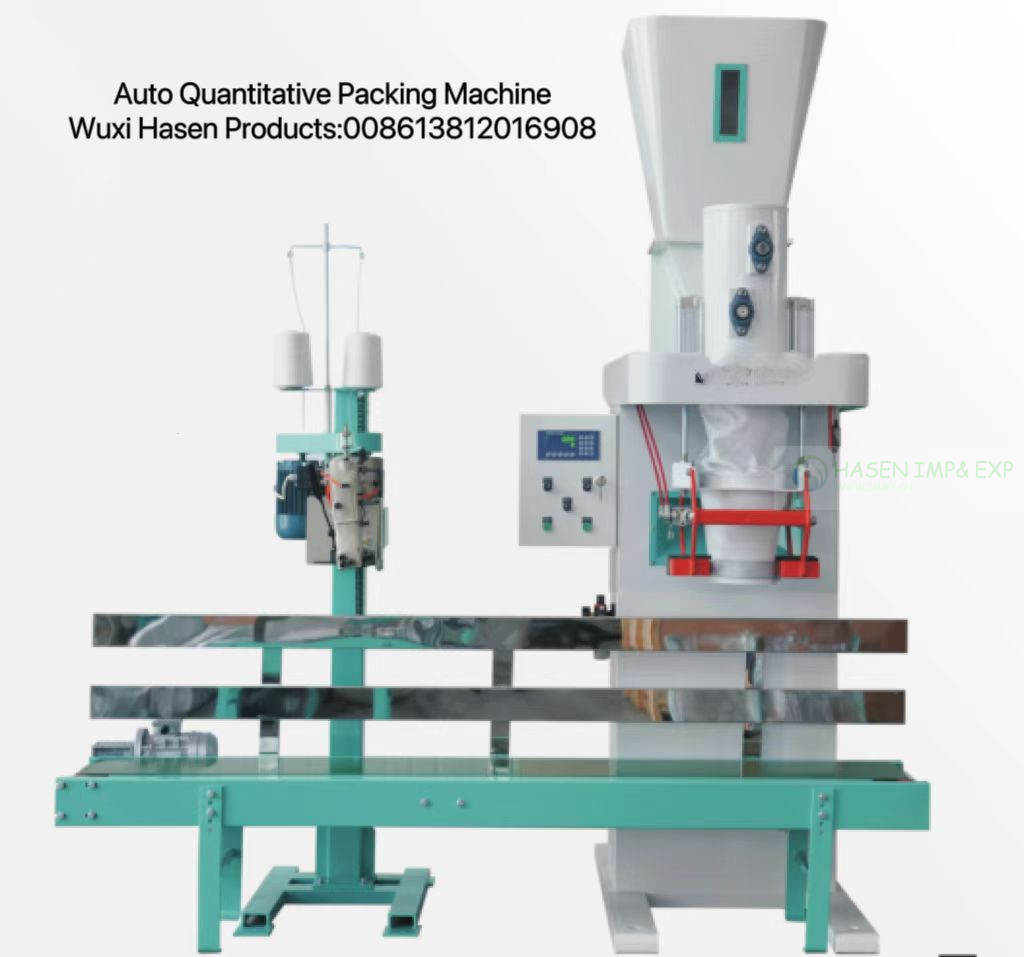
Three elements do the work. A flow balancer takes an uneven incoming stream and delivers a steady, controlled flow downstream, which is what allows the rest of the system to be sized at all. A quantitative flow scale measures actual throughput continuously, so the rate is a measured figure rather than an assumed one.
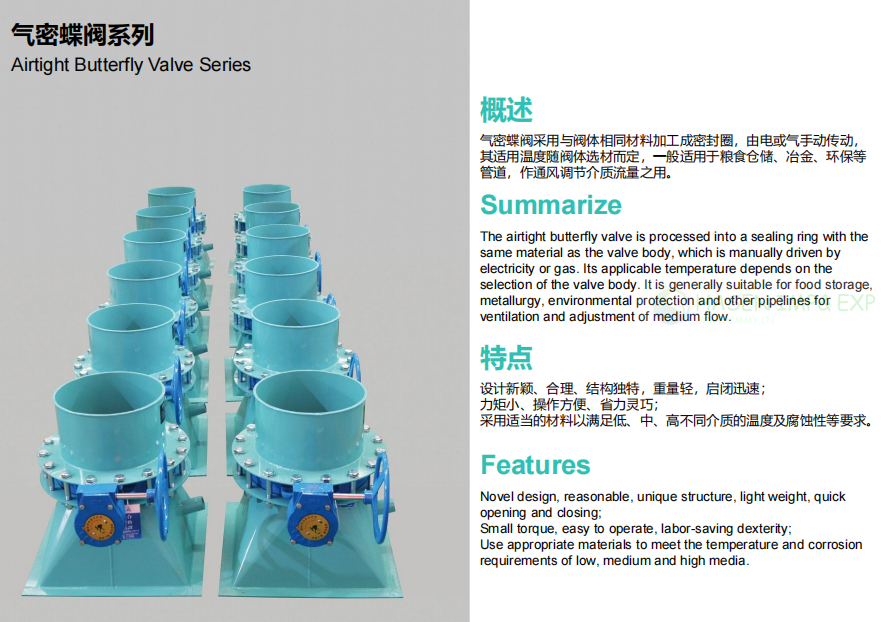
Diverter valves and dispensing gates then send that measured flow to the selected destination — a bulk loading spout, a storage bin, a mixer or a packing machine.
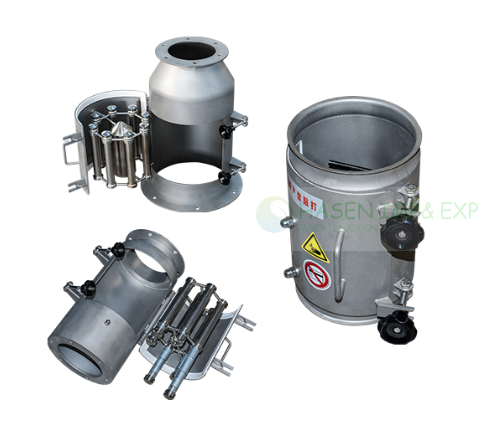
The point of separating those functions is accuracy and repeatability. When a customer orders 25 tonnes to a specification, the mill needs to be able to show how much of each stream went into the batch; flow control that relies on a single gate position cannot do that, but a flow balancer plus a scale can.
Pneumatic conveying for flour and bran
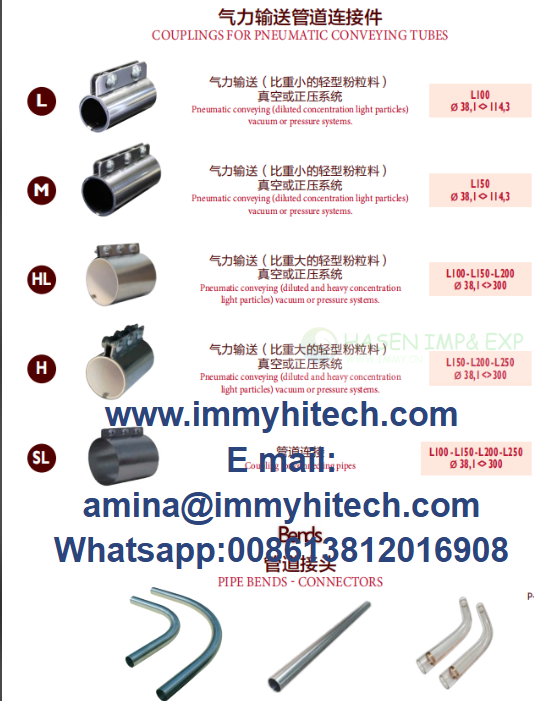
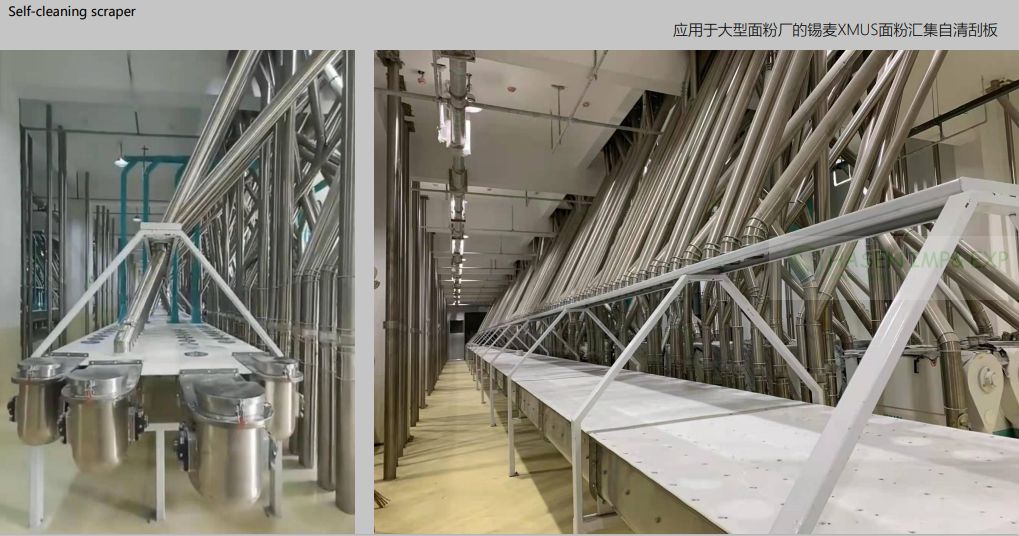
Pneumatic conveying moves flour, bran and other mill products through sealed pipework using air as the carrier. Compared with mechanical handling it removes open transfer points, follows awkward building routes, and keeps the product enclosed from the mill to the dispatch point — which matters for both hygiene and dust control.
There are two families, and choosing between them is the main engineering decision in a rear-section design.
Dilute phase uses a high air volume and a relatively low product concentration, with the flour travelling suspended in the stream at speed. It suits medium distances, is simple to route with bends, and handles multiple pick-up and drop-off points well, which is why it pairs naturally with diverters and distribution gates.
Dense phase uses far less air and moves the product as a slow-moving plug. It is gentler on the product and preferred where the flour is abrasive or the run is long, but it needs a more careful design and is less tolerant of a badly chosen pipe route.
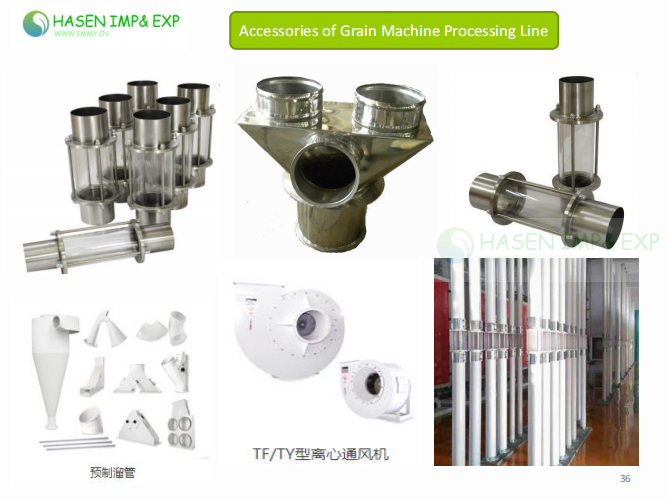
The components around the line matter as much as the line. A rotary airlock feeds product into the air stream while holding the pressure difference. A blower or vacuum pump provides the air. Pulse jet filters on the receiving bins separate flour from the conveying air. Bran outlet conveyors and dispensers handle the co-product, which is lighter, more abrasive and far more prone to dusting than flour.
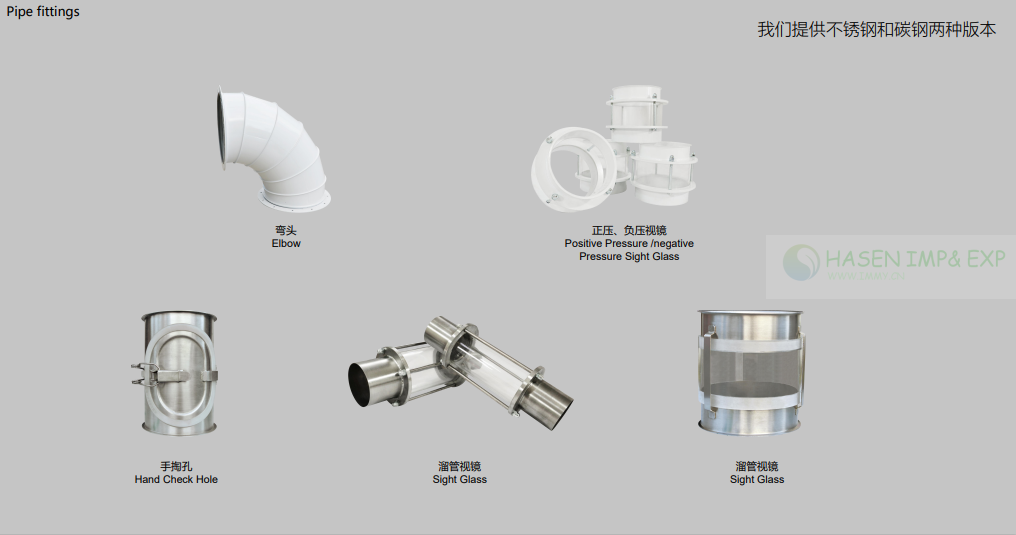
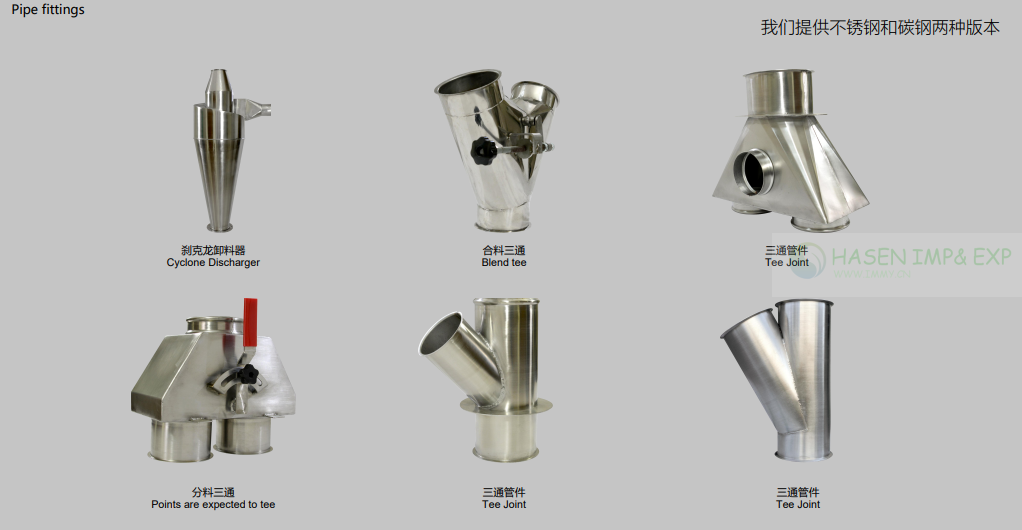
Rear-section equipment we supply
WUXI HASEN is a supplier of flour mill equipment and spare parts, working from Wuxi, China with customers across Asia, the Middle East, Africa and South America. We supply these items individually or as a complete system, and work alongside the mill's own engineers or the main contractor on the layout.
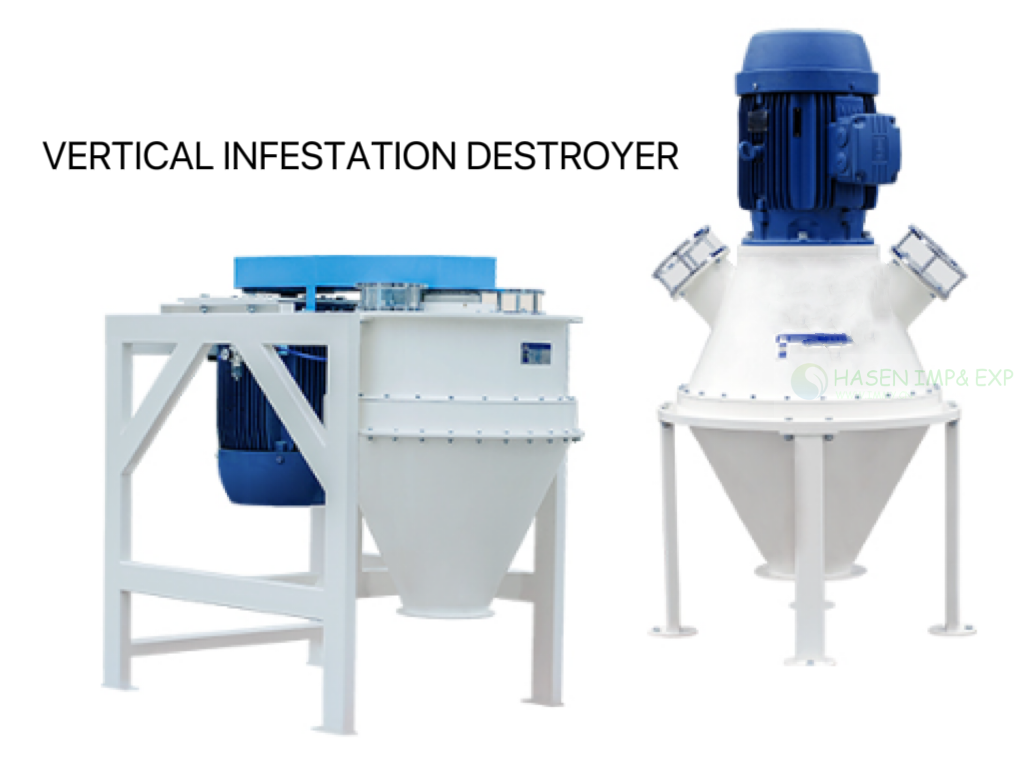
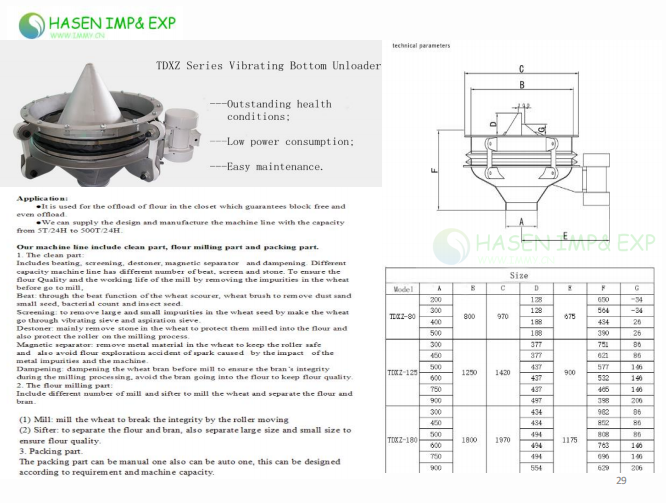
What we need to size a system
Rear-section equipment cannot be quoted from a product name alone, because the right unit depends on the mill it will sit in. Five things let us come back with a sized recommendation rather than a catalogue entry: the mill capacity and number of flour streams, since 120 tonnes per day on two streams needs a very different arrangement from 500 tonnes per day on five; the products you make, because plain, bread, biscuit and self-raising flour all change the blending requirement; the distance to the bins, the dispatch bay and the packing area, because a few extra metres of horizontal run can change the air source; how flour leaves the site, by tanker or by bag; and the level of automation you want, including whether the rear section should tie into an existing plant controller.
Send those details through the inquiry form and we will reply with a proposed configuration and the information we still need. A marked-up layout sketch is often more useful than a written description.

FAQ: flour mill parts and bulk flour handling
What is the rear section of a flour mill?
Everything after the milling flow: flour collection, blending, buffering, dosing and distribution, conveying to the dispatch point, and the packing or bulk loading equipment at the end. It is also called the post-milling section.
What is the difference between a double shaft and a single shaft mixer?
A double shaft mixer uses two counter-rotating paddle shafts, giving a shorter cycle and a more uniform blend — the usual choice when several streams or additives must be combined precisely. A single shaft mixer handles lighter duties with a simpler machine.
Do I need pneumatic or mechanical conveying?
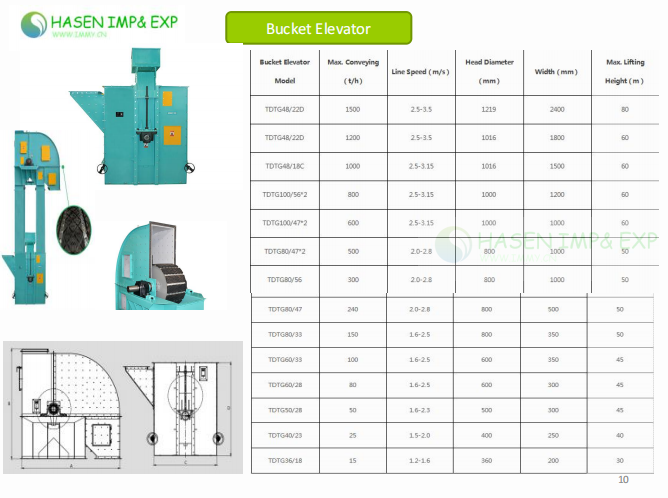
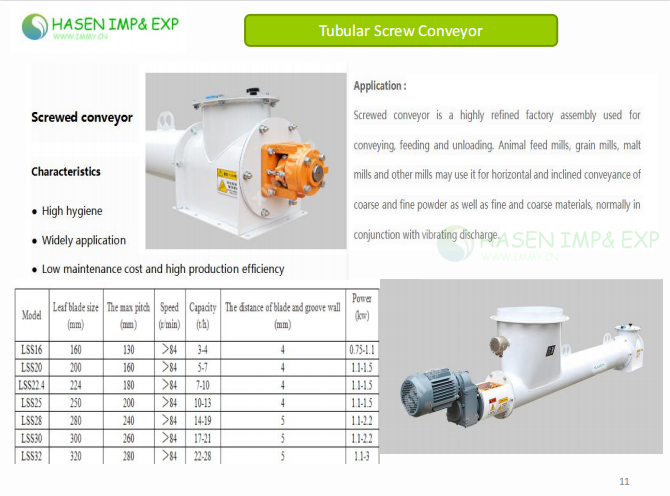
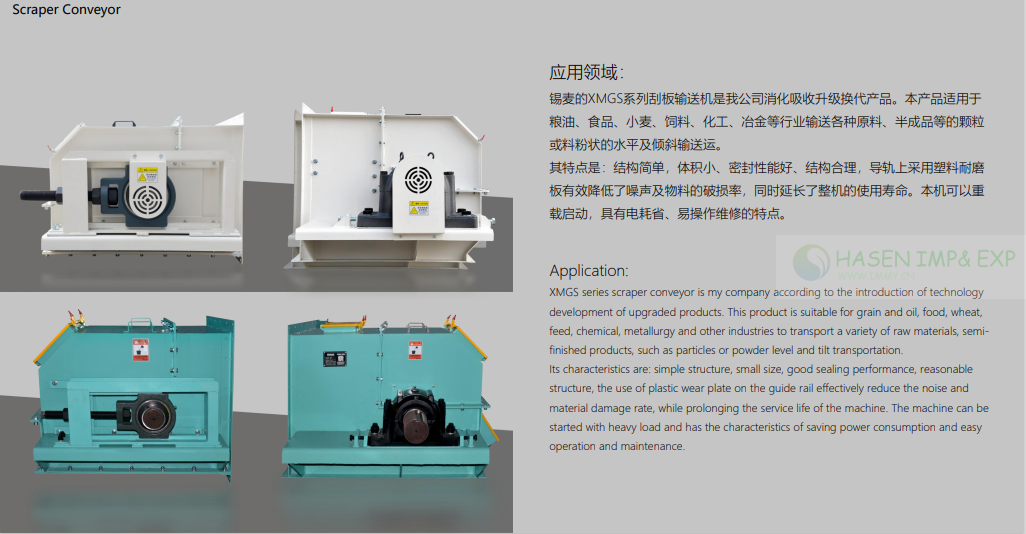
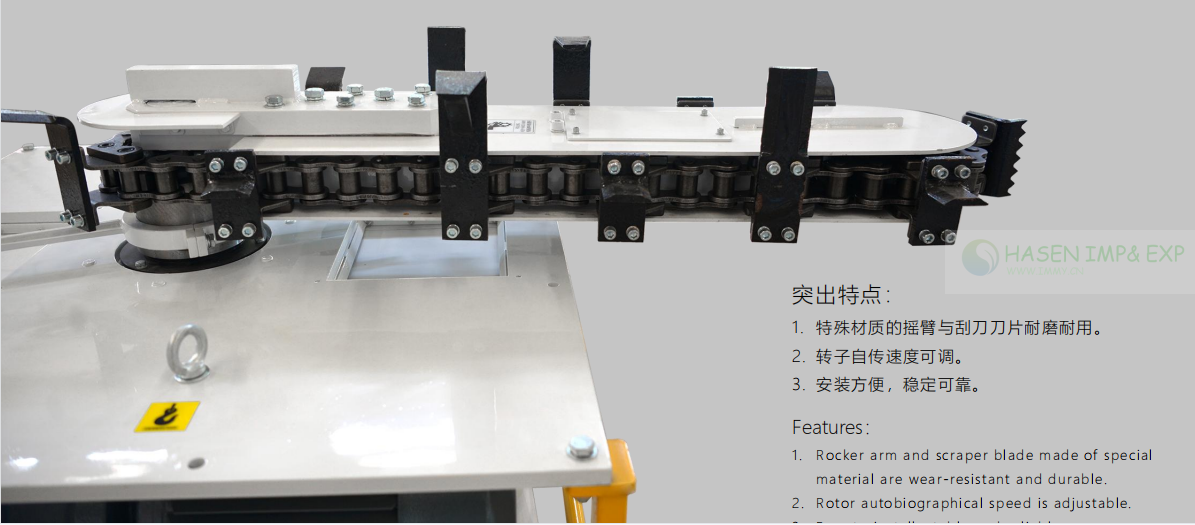
Pneumatic conveying is normally used for the main flour movement because the product stays enclosed and the route can follow the building. Mechanical equipment — screw conveyors, scraper conveyors, bucket elevators — is still used for short transfers, vertical lifts and bran.
Dilute phase or dense phase?
Dilute phase uses a large volume of air and carries flour suspended in the stream at speed; it suits medium distances and multiple drop-off points. Dense phase uses much less air and moves the flour as a slow plug, which is gentler and better for long runs.
Can you supply equipment for a mill that is already running?
Yes. Most items here can be retrofitted — additional blending capacity, a flow balancer and scale where there is currently only a gate, or a new pneumatic line to a dispatch point. A retrofit usually needs a site survey or accurate drawings.
How do I get a quotation?
Send the mill capacity, the number of flour streams, the products you make, the distance to dispatch, how the flour leaves the site, and the automation level you want, through the inquiry form.
Talk to us about your rear section
If you are specifying a new mill, extending an existing one, or replacing equipment that no longer holds its rate, the rear section is where a small change in design has a large effect on what the mill can actually ship.
Rear-section equipment is bought once and lives with the mill for twenty years. The hardest decisions to reverse — pipe diameter, the air source, the number of distribution points, where the bends fall — are all made at the specification stage.
Send an inquiry · See all flour mill machines



 Call us:
 Wuxi Hasen sales