Grain machines cover the whole journey from raw intake to packed flour, feed or flakes: cleaning, conditioning, milling, sifting, conveying, dosing and packing. As a China-based supplier of grain processing machinery and spare parts, WUXI HASEN IMPORT AND EXPORT CO., LTD equips new lines and existing plants with individual machines, replacement wear parts and complete bulk handling systems.
We work with flour mills, rice mills, feed mills, flaking plants, grain storage terminals and food ingredient producers across Asia, the Middle East, Africa and South America. Whether you are adding one machine to an existing line or sourcing equipment for a turnkey project, the same approach applies: define the duty, match the machine to it, and supply the documentation and spare parts that keep it running.
What counts as a grain machine
In practice, a grain line is a chain of duties. Each duty has equipment that performs it, and the equipment has to be sized to the capacity and the grain being handled.
- Intake and pre-cleaning - receiving, weighing, coarse screening and destoning before the grain enters storage or the mill.
- Cleaning and separation - removing stones, metal, dust, immature kernels, foreign seeds and hulls.
- Conditioning - adding and equalising moisture so the bran separates cleanly during milling.
- Milling and reduction - breaking, sizing and reducing the kernel into flour, semolina or grits.
- Sifting, purifying and grading - separating products by particle size and quality.
- Conveying and dosing - moving grain and intermediate products without damage, and blending to a set ratio.
- Packing and dispatch - weighing into bags, bulk loading and dust control at the loading point.
Cleaning and conditioning equipment
A mill that is fed clean, conditioned grain runs quieter and produces more consistent product. Typical equipment in this stage includes rotary and vibration sifters, destoners, magnetic separators, indented cylinder separators, wheat scourers and intensive dampeners. Moisture controllers and dampeners are usually specified together with a tempering time that matches the wheat being milled, because the correct target moisture differs by variety, hardness and harvest conditions.
Milling and reduction machinery
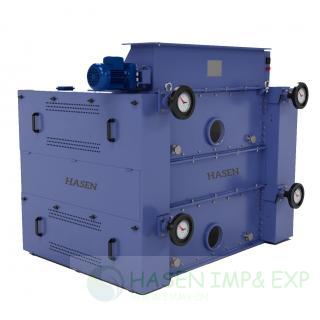
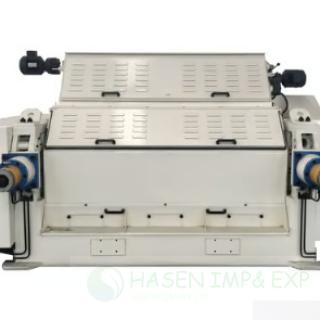
Roller mills, plansifters, purifiers, bran finishers and impact drums form the core of a flour milling section. Capacity decisions here drive the rest of the line, so roller mill configuration, roll surface (fluted or smooth), roll diameter and differential are matched to the break and reduction stages they serve. For feed and flaking applications, hammer mills, cracking mills, flaking units and crumbler systems take over - they are chosen for particle size distribution and throughput rather than flour extraction.
Sifting, purifying and grading
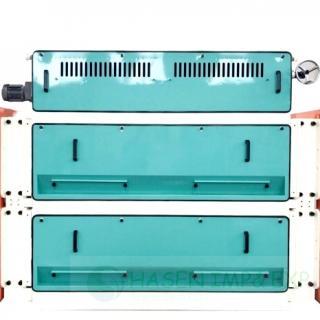
Sifting equipment separates by size; purifiers separate by size and density together. High plansifters, twin and single compartment sifters, vibration sifters and rotary sifters are matched to the throughput and the number of separations required. Screen frame condition and cloth type matter more than most buyers expect: a correctly tensioned, correctly specified cloth set is often the cheapest quality improvement available to an existing mill.
Conveying, dosing and bulk handling
Between the machines, product is moved by screw conveyors, pneumatic systems, bucket elevators and air suction lines. Bulk flour handling adds dosing units, flow balancers, airlifts and storage silos. Flow balancing in particular is worth attention in any mill running multiple milling paths: it keeps the load even across rolls and sifters and reduces the fluctuations that show up later as inconsistent extraction.
Packing and dispatch
Packing stations handle open-mouth bags, valve bags and bulk loading. Automated weighers, bag placers, sewing or sealing units and dust extraction at the spout are normally specified as one group, because the dust problem is created at the spout and is best solved there rather than at the roof.
Spare parts and wear items
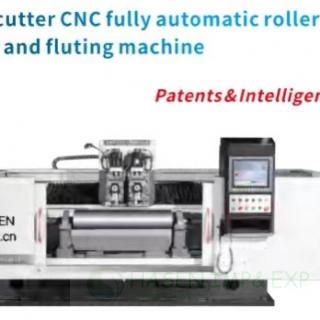
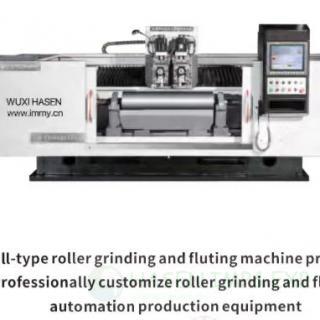
In any working mill, downtime is more expensive than parts. We supply the consumables and wear components that wear out on a schedule: roll surfaces and grooving services, screen frames and cloth, brushes, rubber and polymer wearing parts, bearings, seals, belts, spouts, valves and packing machine spares. Where a plant runs machines from several original suppliers, we consolidate those spare parts into one shipment and one document set.
How we work with you as a supplier
WUXI HASEN is a supplier and export partner, not a machine tool builder. That means our value sits in the specification, sourcing, inspection and logistics side of the transaction:
- Requirement definition - we start from your duty, capacity, grain type and existing line layout, not from a fixed catalogue.
- Machine and part matching - for replacement items we work from dimensions, photos and part numbers so what arrives fits what you have.
- Inspection before shipment - dimensional checks, function tests and photographic records of the actual unit being shipped.
- Documentation - packing lists, invoices and the shipping documents your customs broker asks for, prepared to match the shipment.
- Consolidated shipping - machines, spares and accessories from different production points combined into one shipment to cut freight and clearance cost.
- After-sales support - installation guidance, commissioning support, operator advice and a route to reorder the same wearing parts.
Frequently asked questions
Can I buy a single machine, or is there a minimum order?
Yes - single machines and one-off spare parts are normal business for us. Small orders ship by air or LCL, larger lines by FCL.
Can you match equipment to a line that was built by another supplier?
In most cases yes. Send the machine nameplate, dimensions or a photo with a tape measure visible, and we will confirm whether an equivalent or a modified item is the practical route.
Do you supply used or reconditioned machines?
Our standard offer is new equipment and new spare parts. Where a customer specifically needs a used machine, that is handled case by case and is always described as such in writing.
How is capacity confirmed before ordering?
Capacity is confirmed against your target tonnes per day, grain type and the number of working hours. For existing plants we also look at where the current bottleneck sits, because adding capacity downstream of a bottleneck rarely delivers the expected result.
Talk to us about your grain line
Send us your target capacity, the grain or product you are processing, and a photograph or drawing of the current line if you already have one. We will come back with the equipment list, the options that matter and the questions that still need answers before a quotation is meaningful.



 Call us:
 Wuxi Hasen sales